Country guide · Southern Africa

Emigrate to South Africa: Visa Programs, Requirements & Reality (2026)

Southern AfricaCapital: PretoriaR ZAR
Updated H2 2026 · Compiled from official government sources · by Antonio Mira, Founder
Get Your Free Verdict →3-minute assessment · no signup
The decision dashboard

South Africa, in the numbers that decide it

Every figure here comes from the same dataset that powers your personalised report. Each module names — and links — its source. Anything we cannot back with data simply is not shown.

What life costs

high confidence
47.2/100
cost of living on the global 0–100 scale, EUR-normalised (2025–26)
One-bed flat, city
€450/mo
Three-bed home
€650/mo
Groceries, one person
€90/mo
Utilities
€110/mo
What a local salary buys
109/100

Ways in

15
routes into South Africa we track — work, family, study, investment
Lowest income floor of any route
€132/mo
Compiled from official government sources (H2 2026) · primary authority: dha.gov.za

How long it takes

60days
the typical wait, as officially published
40d60d
Fastest route on paper
Relative - Section 27(g) — 40 days
Routes that publish a wait
4 of 15 tracked
Times as published per route (H2 2026) · fastest route: dha.gov.za

Moving with family

1
route built for families, tracked in our database
Family & reunification routes
1
Healthcare system
mixed
WTE pathway database · official route page: dha.gov.za

Day-to-day life

high confidence
46/100
safety, on the global 0–100 scale (2025–26)
Healthcare
32/100
Climate
96/100
English in daily life
Very High (EF EPI 72)
Internet speed
42 Mbps
Overall quality-of-life score
151
Safety & healthcare composites · EF EPI 2024 · Ookla 2026 — all data sources

Tax, in practice

high confidence
45%
top marginal rate on personal income
Real rate at €90k
23.5%
Take-home per month at €90k
€5,100
VAT
15%
How it is structured
progressive
Special regimes still open
Tax rebates (primary/secondary/tertiary), Medical scheme tax credit

South Africa offers 11 distinct visa pathways for skilled workers and migrants in 2026. Located in Southern Africa, processing times range from 1–4 months. The country scores a quality of life index of 6/10 and a safety score of 5/10. Monthly living costs for a single person range from €518–€786 depending on the city. The primary language is English with English friendliness rated 8/10. Permanent residency is achievable in as few as 5 years. Top-scoring professions for immigration include Software Engineer (6.5/10), AI Engineer (6.5/10), Cybersecurity Specialist (6.4/10). Overall migration friendliness is rated 6/10. Figures as of H2 2026 (official sources, last re-check).

Visa Programs

Visa Programs
ProgramMin IncomeMin SavingsLanguageProcessingPath to PRCitizenship
Business - Section 27(c)1 year
Corporate Visas
Critical Skills Work Visa9 weeks
Extra Ordinary Skills - Section 27(b)1 year
Financially Independent - Section 27(f)1 year
General Work Visa9 weeks
Intra-company Transfer Work Visa9 weeks
Quota worker - Section 27(a)1 year
Refugee - Section 27(d)1 year
Relative - Section 27(g)4 weeks1 year
Retired - Section 27(e)€1,961/mo1 year
Spouse and dependants - Section 26 (b, c, d)
Study Visas
Worker – Section 26(a)1 year

Financial Requirements

Retired - Section 27(e)

€1,961/mo minimum income

Reality Check

Safety and Crime — Official says: South Africa is a welcoming destination with diverse attractions
Reality: Crime is a genuine concern and cannot be dismissed. South Africa has one of the world's highest murder rates, primarily affecting specific communities and areas. Expat neighborhoods in Cape Town, Johannesburg, and Durban are safer but not immune. Standard precautions are essential: live in secure complexes, install electric fencing, use private security, avoid walking at night in unfamiliar areas, and don't display valuables. Car hijacking is a specific risk — keep windows closed and doors locked at traffic lights. With proper precautions, many expats live safely and happily for years.
Load Shedding (Power Outages) — Official says: Eskom is investing in capacity to end load shedding
Reality: Load shedding has improved significantly in 2025-2026, with fewer and shorter outage periods. However, the grid remains vulnerable. Solar installations with battery backup have become standard for middle-class households — consider this a mandatory expense (ZAR 80,000-200,000 / EUR 4,000-10,000 for a basic system). Most modern apartment complexes include generator backup. When apartment hunting, ask about backup power solutions. The EskomSePush app is essential for tracking outage schedules.
Immigration Processing — Official says: Visa processing in 4-8 weeks
Reality: The Department of Home Affairs is notoriously slow and bureaucratic. While official timelines say 4-8 weeks, 8-16 weeks is more realistic for many applications. VFS Global handles most visa submissions as an intermediary, adding another layer. Document requirements are strict — a single missing or incorrectly formatted document can result in rejection. Using an immigration attorney (ZAR 10,000-30,000 / EUR 500-1,500) is strongly recommended. The Pretoria head office handles all final decisions, regardless of where you applied.
Quality of Life — Official says: South Africa offers exceptional lifestyle opportunities
Reality: This is genuinely true — for those who can afford private services. Cape Town regularly ranks among the world's best cities for quality of life. The natural beauty (Table Mountain, Garden Route, Kruger National Park), outdoor lifestyle, wine country, dining scene, and climate are world-class. The catch: this quality of life exists alongside significant inequality. The lifestyle gap between those with private healthcare, security, and education vs. the majority population is stark. For foreign residents with middle-class or higher incomes, the lifestyle proposition is genuinely exceptional.
Remote Work Viability — Official says: No dedicated digital nomad visa
Reality: South Africa, especially Cape Town, has become a major hub for digital nomads despite the lack of a dedicated visa. Fiber internet speeds (100-200 Mbps) are excellent. The UTC+2 timezone aligns with European business hours. Coworking spaces (Workshop17, ImpactHub, The Workspace) are numerous and affordable. The legal situation for remote workers is grey — many use tourist visas (90 days), cycling between countries. Tax implications exist: spending more than 183 days in South Africa can trigger tax residency. The Retired Persons Visa works for those with qualifying passive income.

Would you actually qualify?

The reality check above is the general picture. Get your own honest verdict — which visas you qualify for, and your real blockers — in a free 3-minute assessment.

Get Your Free Verdict →

Common Mistakes to Avoid

Insider Tips

Who Qualifies?

Easy
Tech Workers
Best visa: Critical Skills Work Visa — IT professionals are prominently featured on the Critical Skills List
Software developers, data scientists, cybersecurity experts, and systems architects are on the Critical Skills List. South Africa's tech scene is growing — Cape Town and Johannesburg have significant startup ecosystems. Major companies: Naspers/Prosus, Discovery, Standard Bank, Vodacom, Amazon (Cape Town AWS office). Salaries: ZAR 40,000-70,000/month mid-level (EUR 2,000-3,500), ZAR 70,000-120,000+ senior (EUR 3,500-6,000+). Remote workers for foreign companies enjoy exceptional purchasing power.
Easy
Healthcare Workers
Best visa: Critical Skills Work Visa — healthcare professionals are in acute demand
Doctors, nurses, pharmacists, and specialists are on the Critical Skills List and actively recruited. South Africa faces a severe healthcare worker shortage, particularly in public hospitals. HPCSA (Health Professions Council) registration is required and can take 3-6 months. Private hospital groups (Netcare, Mediclinic, Life Healthcare) actively recruit internationally. Salaries vary dramatically between public and private sectors — private practice can be very lucrative.
Moderate
Skilled Trades
Best visa: Critical Skills Work Visa — selected trades are on the Critical Skills List (electricians, welders, toolmakers)
Certain skilled trades appear on the Critical Skills List, particularly in mining, construction, and manufacturing sectors. Artisan qualification must be evaluated by SAQA and registered with relevant trade bodies (ECSA, EWSETA). Demand is genuine in mining regions (Gauteng, North West, Limpopo) and construction (nationwide). Language is not a barrier as English is the business language.
Moderate
Remote Workers
Best visa: No dedicated visa — tourist visa (90 days) or Retired Persons Visa (if income qualifies)
South Africa, especially Cape Town, is a top digital nomad destination despite lacking a specific visa. Excellent infrastructure: fast fiber internet, abundant coworking spaces, European-aligned timezone (UTC+2). The weak Rand means EUR/USD/GBP income goes exceptionally far. Legal status is the main challenge — 90-day tourist visas are common but technically don't permit work. Tax residency triggers at 183 days. Many remote workers cycle between South Africa and other countries.
Easy
Retirees
Best visa: Retired Persons Visa — ZAR 37,000/month (EUR 1,850) income requirement
South Africa is excellent for retirees: world-class private healthcare, exceptional natural beauty, affordable living, vibrant social scene, and English-speaking. The Western Cape (Cape Town, Stellenbosch, Franschhoek) and KwaZulu-Natal coast (Umhlanga, Ballito) are the most popular retirement destinations. Security is a consideration but manageable with proper precautions. The income threshold is reasonable and provides for a comfortable lifestyle.
Moderate
Investors
Best visa: Business Visa — ZAR 5,000,000 (EUR 250,000) minimum investment with job creation requirement
South Africa offers significant market opportunities — it's Africa's most developed economy and a gateway to the continent. BEE compliance adds complexity but local legal partners can navigate this. Key sectors for foreign investment: technology, renewable energy, agriculture, tourism, and financial services. The Johannesburg Stock Exchange is Africa's largest. Political and economic stability has improved but the policy environment can be unpredictable. Due diligence with local partners is essential.

Cost of Living

Johannesburg
Single (monthly)€1,050
Family (monthly)€2,500
Rent 1BR (center)€500
South Africa's economic capital and largest city. Sandton is the financial hub with upscale shopping and dining. Rosebank and Parktown are popular expat neighborhoods. Fourways and Bryanston offer family-friendly suburbs with good schools. Johannesburg requires a car — public transport is limited. Security costs are higher than Cape Town. Domestic flights to Cape Town from ZAR 800 (EUR 40). OR Tambo International is Africa's busiest airport.
Cape Town
Single (monthly)€1,200
Family (monthly)€2,800
Rent 1BR (center)€650
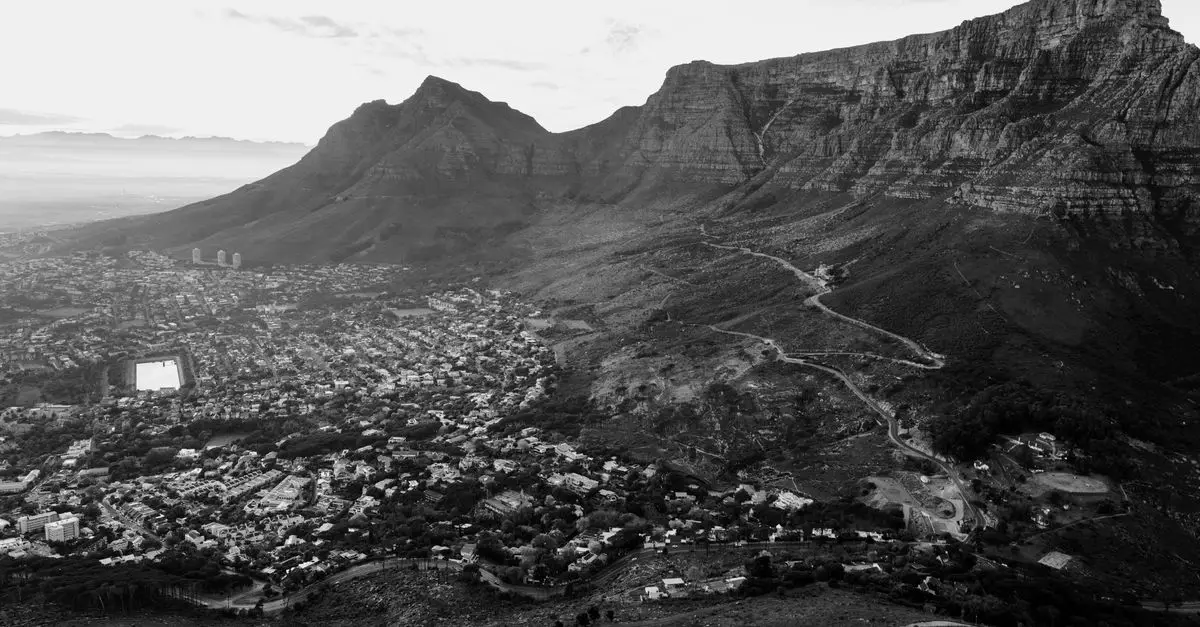
South Africa's most popular city for foreigners. Spectacular natural setting (Table Mountain, beaches, vineyards). Southern Suburbs (Constantia, Newlands) and Atlantic Seaboard (Sea Point, Green Point) are expat favorites. Camps Bay and Clifton are beautiful but premium-priced. Mediterranean climate with dry summers. Water conservation remains important. Fiber internet widely available. Growing tech and startup scene.
Durban
Single (monthly)€850
Family (monthly)€2,100
Rent 1BR (center)€400
KwaZulu-Natal's coastal capital with a subtropical climate — warm and humid year-round. Significantly more affordable than Cape Town or Johannesburg. Umhlanga and Ballito (north coast) are popular upscale areas with excellent beaches. Large Indian and Zulu communities create a unique cultural mix. Port city with significant trade and logistics industries. International schools available but fewer options than Johannesburg/Cape Town.

Monthly figures in EUR. Net reflects South African income tax (progressive rates 18-45%) and UIF contributions (1% employee share). Salaries vary significantly between Johannesburg/Cape Town (higher) and other regions. The weak Rand means these EUR figures are low by international standards but provide good local purchasing power.

Downloadable Data

Official sources

South Africa

  • Financially Independent - Section 27(f)dha.gov.za — last re-checked 2026-06-22
  • Intra-company Transfer Work Visadha.gov.za — last re-checked 2026-06-24
  • Critical Skills Work Visadha.gov.za — last re-checked 2026-06-24

Figures are compiled from official government sources and re-checked on a rolling basis. Always confirm on the official page before applying.

Frequently Asked Questions

How safe is South Africa for foreigners?

South Africa has high crime rates, but the situation is nuanced. Most violent crime is concentrated in specific areas. Expat neighborhoods in Cape Town, Johannesburg, and Durban have lower crime rates. Essential precautions include gated communities, private security, not walking alone at night, and not displaying valuables. Many expats live safely with proper precautions.

What is the Critical Skills Work Visa?

The Critical Skills Work Visa is a fast-track visa for professionals on the government's Critical Skills List. It does not require a job offer — you can arrive and seek employment. The list includes IT professionals, engineers, healthcare workers, and specialized trades. Requirements include SAQA evaluation and professional body registration. You must secure employment within 12 months.

How does load shedding affect daily life?

Load shedding has improved substantially in 2025-2026 but remains a consideration. Most households have adapted with solar panels and battery backup (ZAR 80,000-200,000). Modern apartment complexes include generator backup. The EskomSePush app tracks outage schedules. When evaluating properties, check for existing backup power solutions.

What is healthcare like in South Africa?

Private healthcare is world-class — Netcare, Mediclinic, and Life Healthcare offer excellent facilities. Private health insurance (medical aid) is essential and costs ZAR 2,000-8,000/month (EUR 100-400). Public healthcare is underfunded and overcrowded. Discovery Health and Momentum are the largest providers. South Africa is also a medical tourism destination.

Can I get permanent residence in South Africa?

Permanent residence requires 5 years on a Critical Skills or General Work Visa. Processing times are notoriously long — 12-24 months. Citizenship requires an additional 5 years of permanent residence (10 years total). Marriage to a South African citizen provides an alternative route (5 years married, 2 years residence).

What is the cost of living compared to Europe?

South Africa is 50-60% cheaper than Western Europe for comparable quality of life. Housing is particularly affordable. However, essential costs like private security (€30-80/mo), medical aid (€100-400/mo), and solar backup add up. The weak Rand benefits those earning in foreign currency.

How does the Retired Persons Visa work?

The Retired Persons Visa requires proof of ZAR 37,000/month (approximately EUR 1,850) in guaranteed income from a pension or annuity. There is no age requirement. The visa is issued for 4 years and renewable. It does not grant the right to work. South African medical aid is mandatory.

Is South Africa good for remote workers?

Cape Town is a top digital nomad destination with fast fiber internet (100-200 Mbps), European-aligned timezone (UTC+2), and the weak Rand giving excellent purchasing power. Challenges include no dedicated digital nomad visa and load shedding (solvable with solar). Many remote workers use 90-day tourist visas and cycle between countries.

Find out if you qualify for South Africa

Our free assessment matches your profile against South Africa's 5 visa programs in under 3 minutes.

Get Your Free Verdict

Compare South-Africa with:

Visa pathways for South Africa

✓ Immigration data verified against official government sources · Last updated 2026-06-24

18 official visa & residence programs for South Africa — requirements, costs & sources →
Free verdict — 3 min