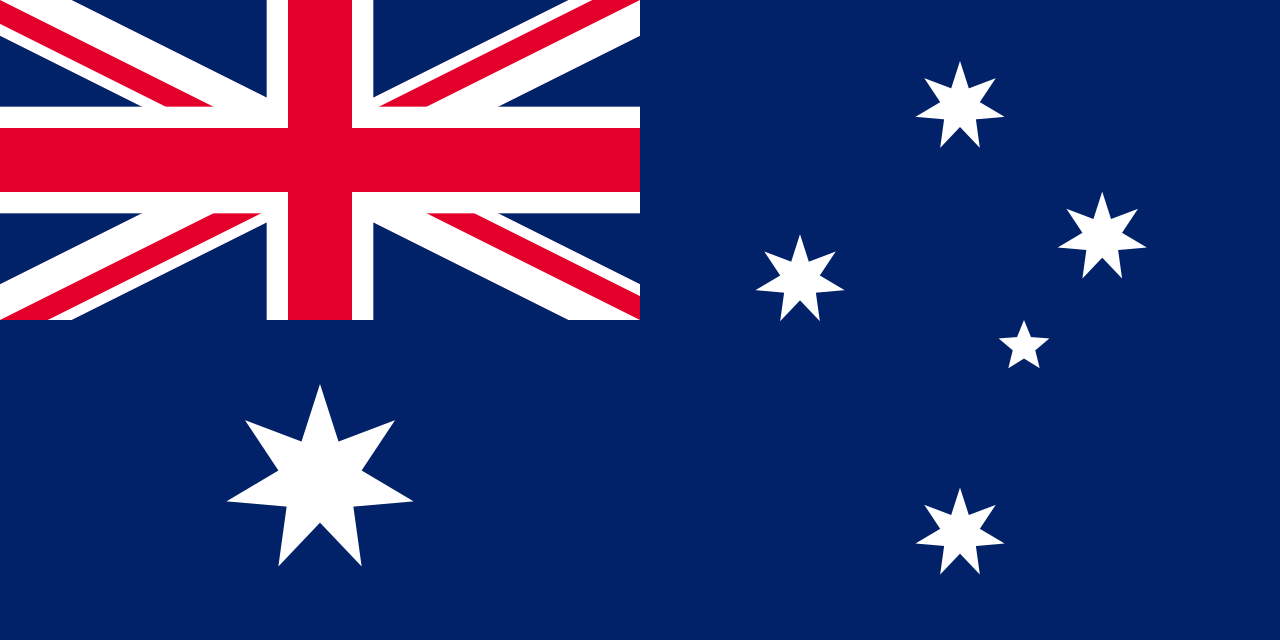
 vs
vs

Australia wins IF…
- you want higher earning potential — avg salary €50,748/yr vs €29,232
- you only speak English — proficiency score 87 vs 67
South Korea wins IF…
- you want lower taxes — effective rate 10.6% vs 18.6%
- your budget is tight — monthly costs from €1,127 vs €2,770
- safety is a priority — index 71 vs 52
The real answer depends on your income, savings, and profession. Explore Your Pathways →
Head-to-Head Comparison
| Metric | Australia | South Korea |
|---|---|---|
| Population | 26.7M | 51.7M |
| GDP per Capita | €65,058 | €35,674 |
| Average Salary | €4,229/mo | €2,436/mo |
| Minimum Wage | €2,835/mo | €1,470/mo |
| Unemployment | 3.6% | 2.9% |
| Rent (1BR) | €1,850/mo | €650/mo |
| Groceries | €280/mo | €210/mo |
| Transport | €95/mo | €52/mo |
| Dining Out (meal) | €18 | €6 |
| Healthcare Index | 88.2 | 88 |
| Safety Index | 52 | 71 |
| Income Tax (eff.) | 18.6% | 10.6% |
| VAT | 10% | 10% |
| Internet Speed | 87.3 Mbps | 112 Mbps |
| English Proficiency | 87 | 67 |
| Visa Pathways | 15 | 19 |
| Processing (fastest) | 21 days | 15 days |
| Path to Citizenship | 4 years | 3 years |
Cost of Living: Australia vs South Korea
Monthly living costs in South Korea are lower than in Australia. A one-bedroom apartment averages €1,850/mo in Australia versus €650/mo in South Korea. Monthly groceries cost around €280 in Australia and €210 in South Korea. Your actual spending depends on your city and lifestyle.
Visa & Immigration: Australia vs South Korea
Australia offers 15 active visa pathways while South Korea has 19. The fastest processing time is 21 days in Australia compared to 15 days in South Korea. The shortest path to citizenship is 4 years in Australia versus 3 years in South Korea. Requirements vary by programme type, so check individual pathways for details.
Career & Salary: Australia vs South Korea
Average monthly salary is €4,229 in Australia and €2,436 in South Korea. GDP per capita stands at €65,058 in Australia versus €35,674 in South Korea. Unemployment is 3.6% in Australia and 2.9% in South Korea. Salary levels should always be weighed against local cost of living for a true comparison.
Quality of Life: Australia vs South Korea
On safety, Australia scores 52 and South Korea scores 71 on the safety index. Healthcare index: Australia 88.2, South Korea 88. Internet speed averages 87.3 Mbps in Australia versus 112 Mbps in South Korea. Both factors matter for remote workers and families considering the move.
Tax Comparison: Australia vs South Korea
On a €90,000 salary, the effective tax rate is 18.6% in Australia versus 10.6% in South Korea. VAT stands at 10% in Australia and 10% in South Korea. Top marginal income tax rate: 45% (Australia) vs 45% (South Korea). Special tax regimes may apply for new residents — check each country's incentive programmes.
Not sure which one fits you?
Take our free 3-minute quiz and get matched with visa programmes that fit your profile.
Frequently Asked Questions
Is Australia or South Korea cheaper to live in?
South Korea is generally cheaper. Estimated monthly costs: Australia ~€2,770, South Korea ~€1,127. Rent, groceries, and transport all factor in.
Which country has easier visa requirements?
Australia has 15 visa pathways and South Korea has 19. More options generally means more chances to qualify, but each pathway has its own requirements.
Which has better career opportunities?
Australia has higher average salaries. Australia: €4,229/mo, South Korea: €2,436/mo. Career prospects depend on your profession and industry.
Which is safer?
South Korea scores higher. Safety index: Australia 52, South Korea 71. This reflects crime rates, political stability, and personal security indicators.
Which has better healthcare?
Australia scores higher for healthcare. Healthcare index: Australia 88.2, South Korea 88. Both provide access for legal residents, but system types differ.
Related Comparisons
- South Korea vs Singapore
- Germany vs Australia
- Japan vs Australia
- Australia vs Portugal
- Germany vs South Korea
- South Africa vs Australia
Not sure between Australia and South Korea?
Get a side-by-side comparison report matched to your profile, qualifications, and budget.
Explore Your PathwaysSources: OECD (2026), World Bank Open Data, official government immigration portals. Full methodology
Official sources
Australia
- Distinguished Talent Visa (Subclass 124) — immi.homeaffairs.gov.au — last re-checked 2026-07-01
- Skilled – Recognised Graduate visa (subclass 476) — immi.homeaffairs.gov.au — last re-checked 2026-07-01
- Pacific Australia Labour Mobility (PALM) — seasonal (subclass 403) — palmscheme.gov.au — last re-checked 2026-07-01
South Korea
- E-9-2 Non-Professional Employment Visa – Construction Industry — eps.go.kr — last re-checked 2026-06-24
- H-2-5 Working Visit Visa – Lottery Selection (Overseas Korean) — visa.go.kr — last re-checked 2026-06-24
- F-1-22 Family Visit Visa – High-Salary Domestic Helper — overseas.mofa.go.kr — last re-checked 2026-06-24
Figures are compiled from official government sources and re-checked on a rolling basis. Always confirm on the official page before applying.